Architectural photography
Photos That Show What You Actually Designed and Built
Exterior, interior and detail photography of finished buildings for architects, builders, developers and property owners. Planned around light, built for portfolios, awards and leasing.
 Photography
A finished building gets one good chance to be documented
You spent a year or more on the project. Then the record of it ends up being a handful of phone shots taken at ribbon cutting, a few progress photos with a dumpster in frame, and whatever the leasing agent grabbed on a cloudy afternoon. The walls lean inward. The windows are white rectangles. The material you fought to keep in the budget looks like gray paint. None of it says what the building is like to stand in.
That gap costs you later. Architects need images that hold up next to other firms' work in a proposal or an awards entry. Builders need proof of craft for the next bid. Developers and property owners need photos that lease space and fill rooms. And the window closes fast. Tenants move in, furniture gets rearranged, signage goes up, landscaping overgrows or dies. If the building isn't photographed well while it's clean and new, that version of it is gone.
We treat the building like the subject it is
Good architectural photography starts before anyone shows up with a camera. We ask what the design is trying to do: the idea behind the massing, the view the lobby was built around, the detail the team is proudest of, the way the facade changes through the day. Then we plan the shoot to show those things, not just to cover every room. We study the site, check sun direction for each elevation, and build a shot list with you so nothing important gets missed and nothing gets shot just to fill a gallery.
On site we work slowly and deliberately. Composition matters more here than in almost any other kind of photography, because a building can't pose. Where you stand, how high the camera sits, what's in the foreground and what's cropped out decide whether a space reads as open or cramped, calm or busy.
Straight verticals, honest proportions
Walls stand up straight and lines stay clean, so the building looks like the drawings intended. Converging verticals make a structure look like it's falling over, and trained eyes notice right away.
Light planned by elevation and hour
Each side of a building has a best time of day. We schedule exteriors around sun angle and shadow, and shoot interiors when daylight and fixtures balance instead of fighting.
Twilight that shows the building alive
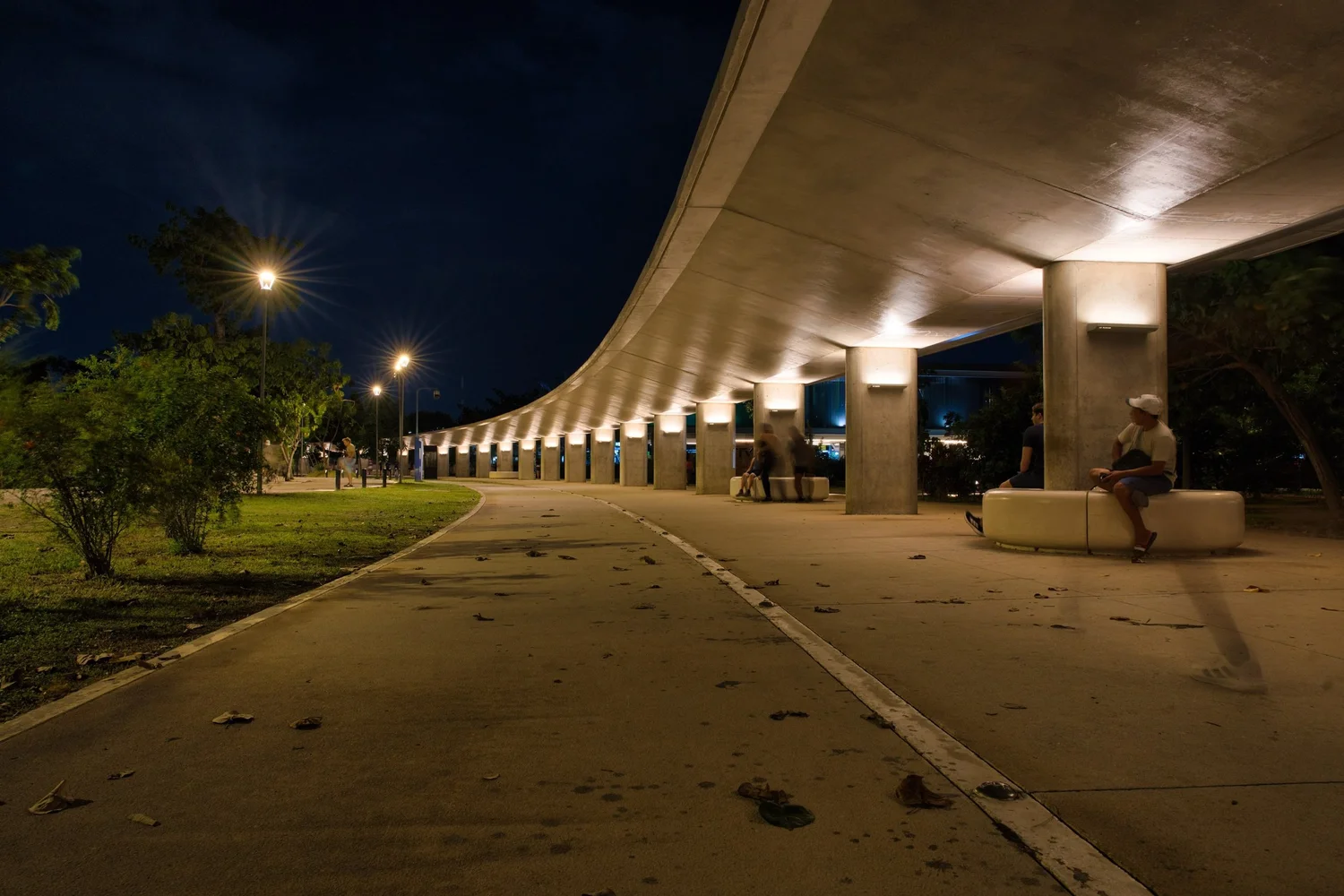
The short window after sunset, when the sky still holds color and the interior lights glow, is often the strongest image of a project. We plan for it rather than hoping for it.
Details and people with purpose
Material junctions, custom millwork, stair details and hardware tell the story of craft. Where it helps, a person in the frame adds scale and shows how the space is used.
Recent work
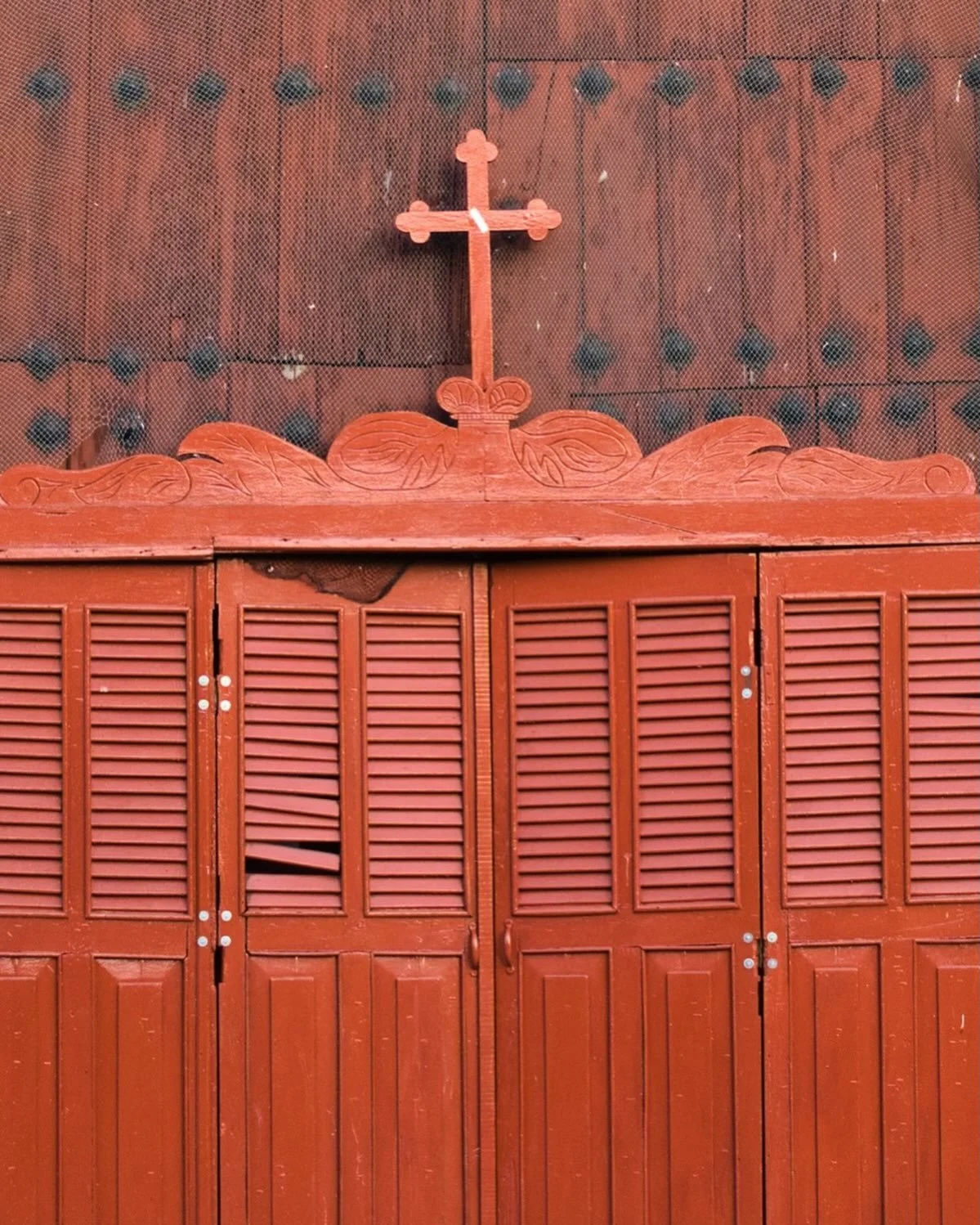
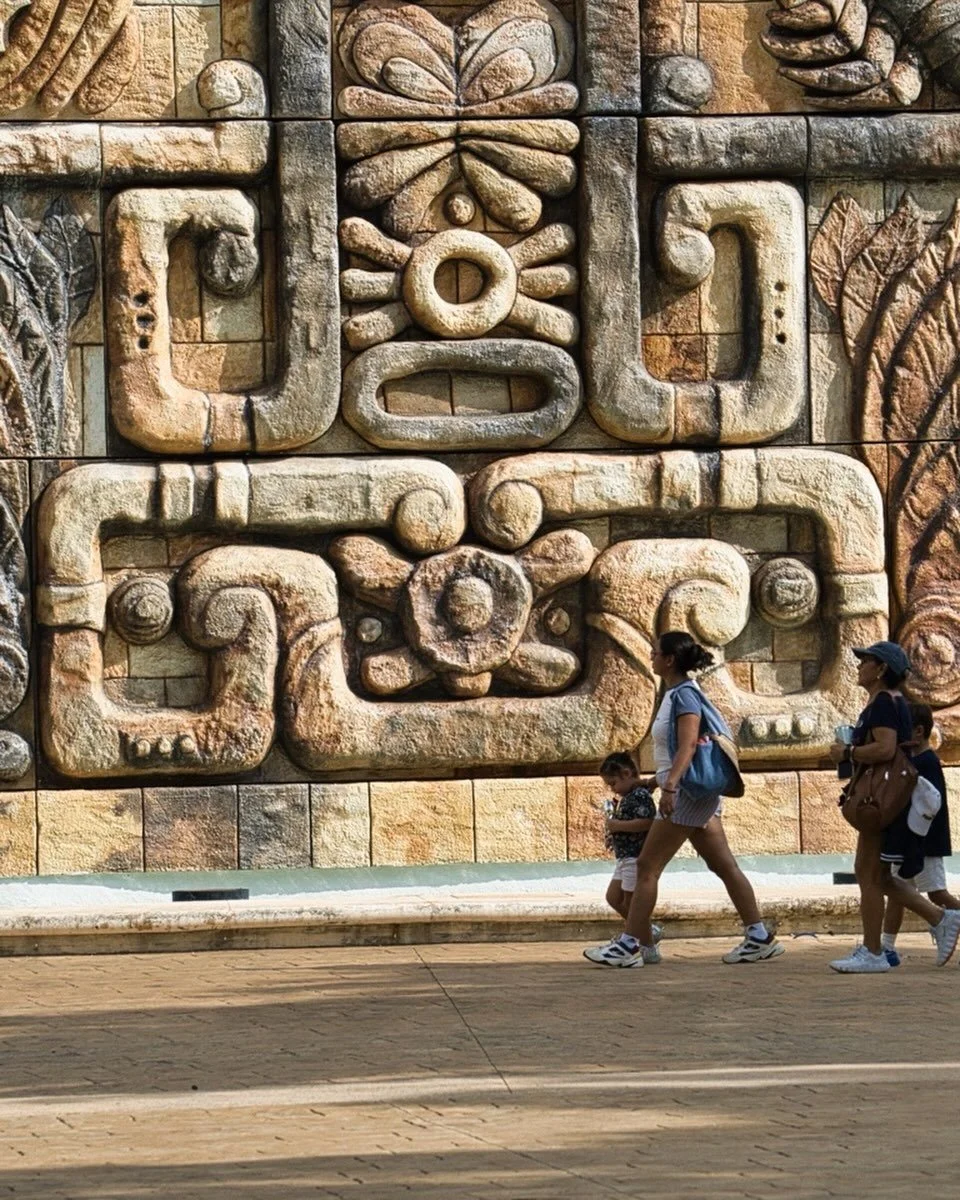
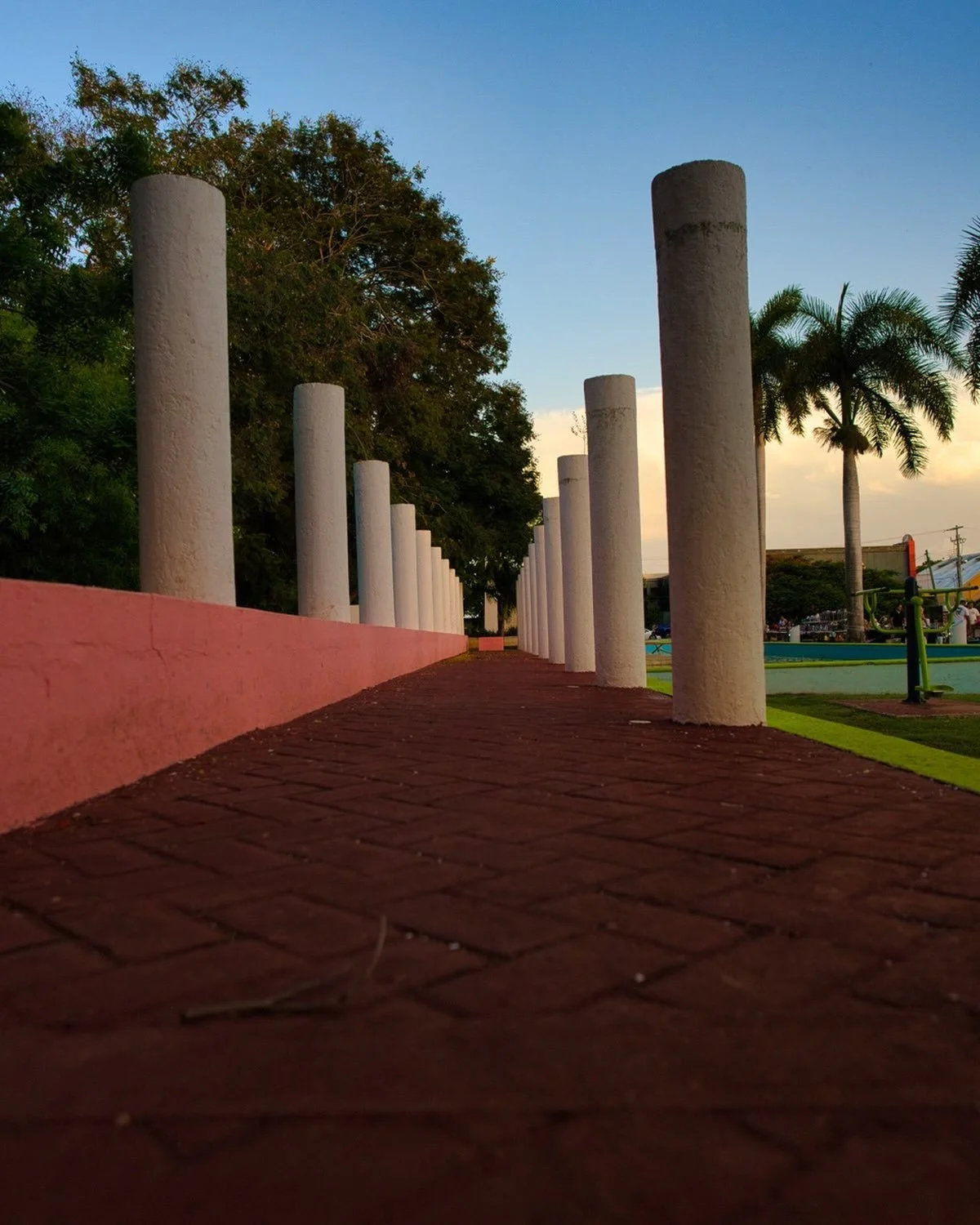
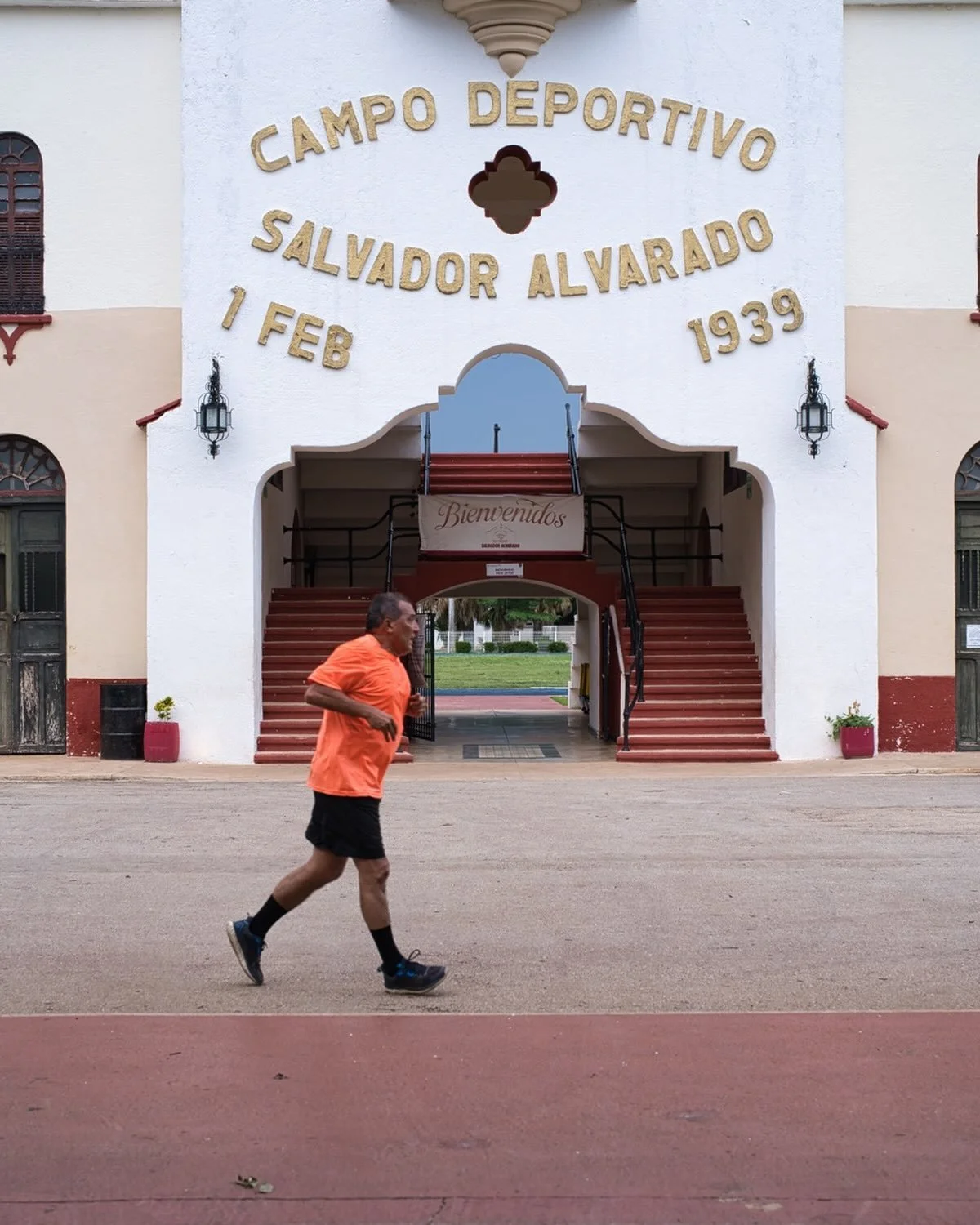
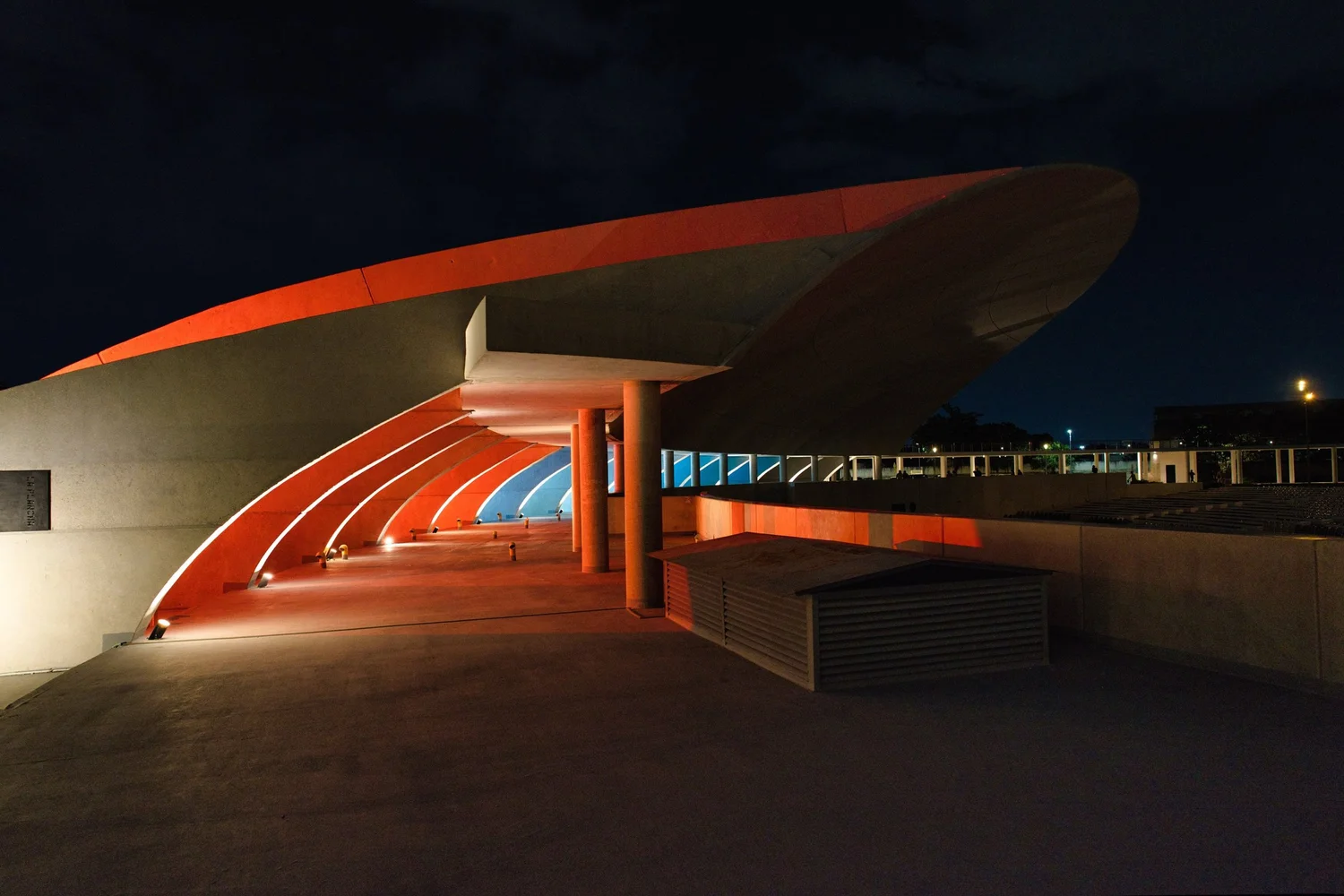
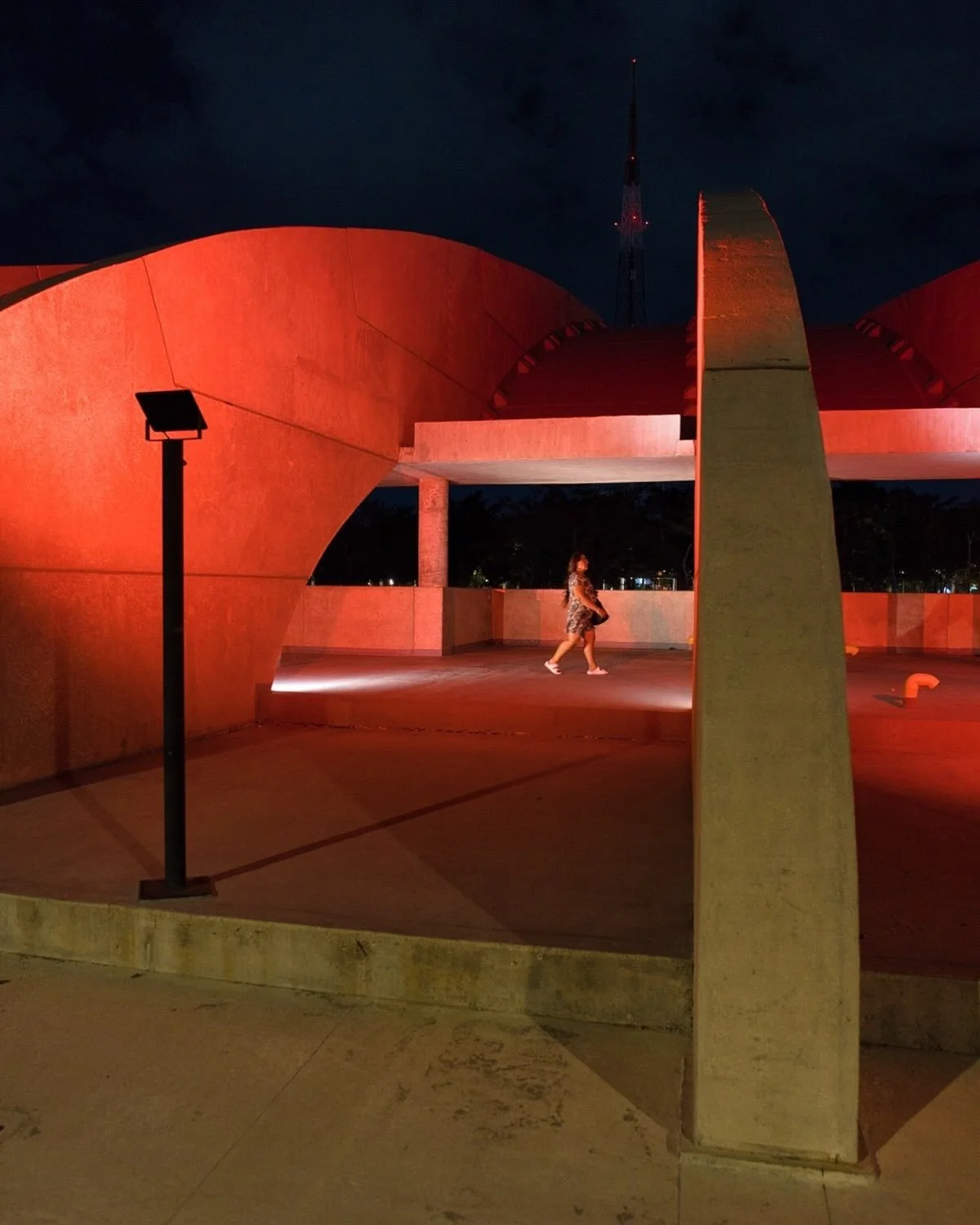
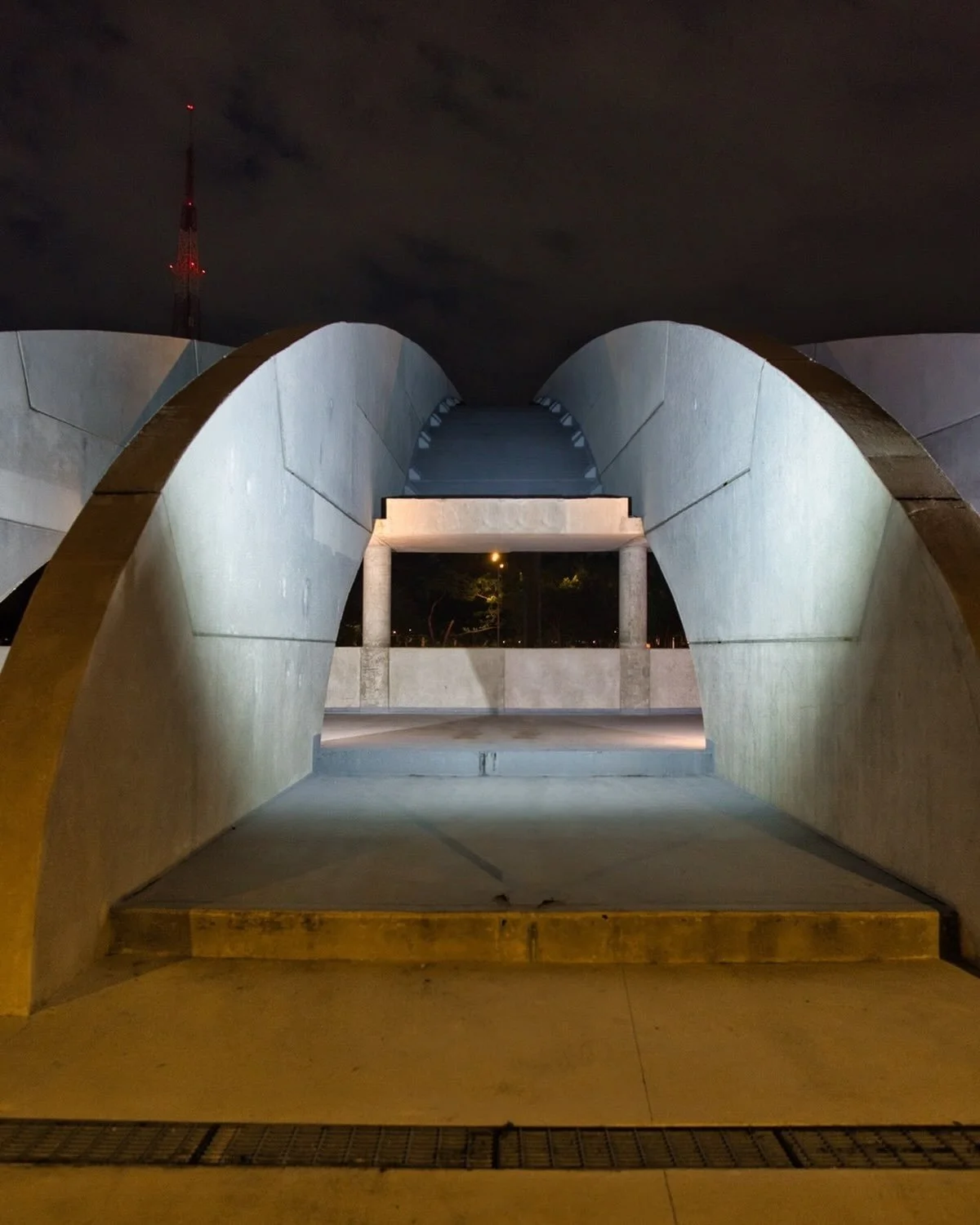
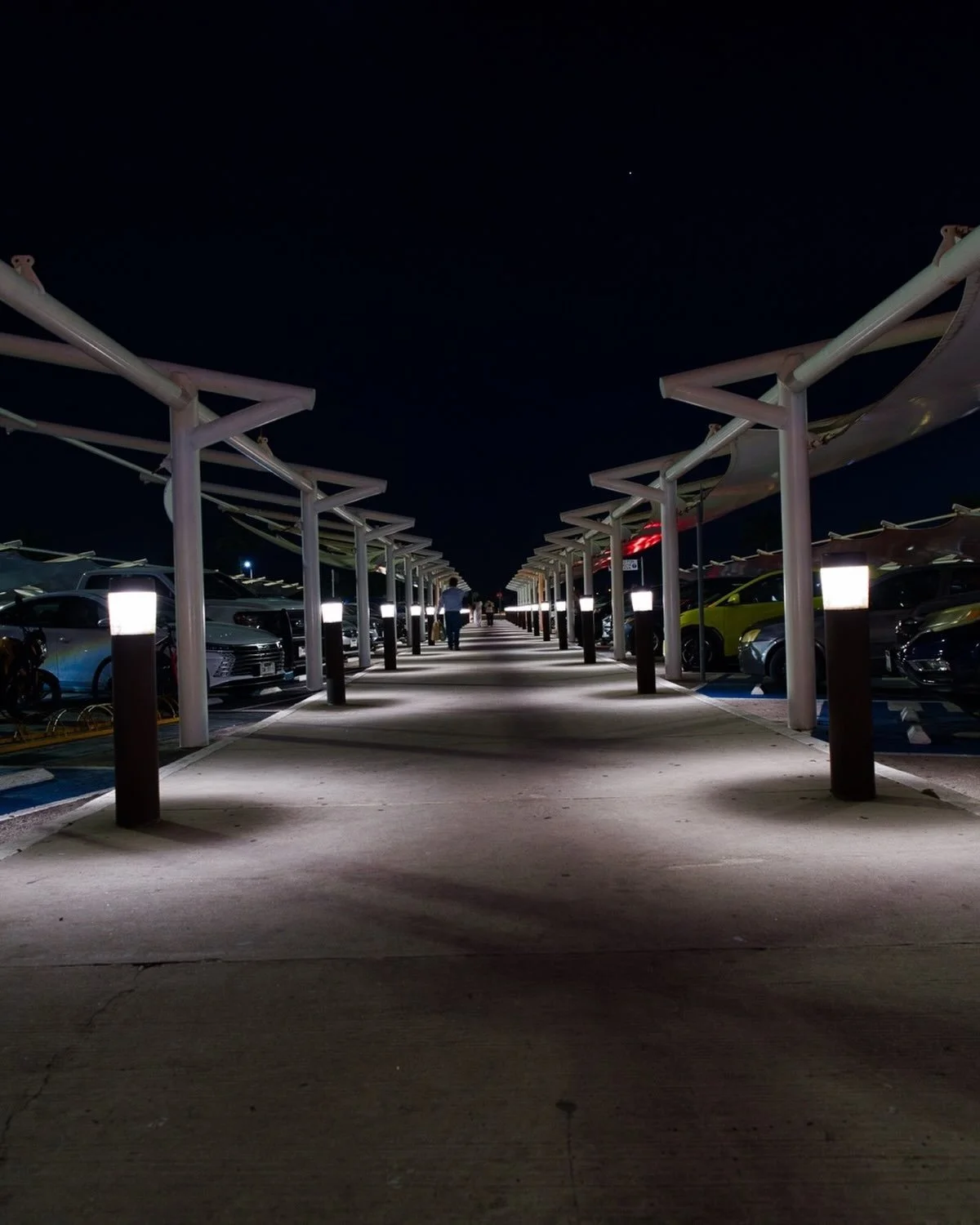
Photos by the Mayab Media team.
What's included
- Pre-shoot call to set goals, priorities and how the images will be used
- Site review and sun-angle planning for each exterior elevation
- Agreed shot list covering exteriors, interiors and key details
- Optional twilight session for the hero exterior
- Vertical correction, color, exposure and cleanup editing on every final image
- Clear guidance on what we remove in editing and what stays
- Full-resolution files plus web and print-ready versions
- Image usage terms spelled out in writing before the shoot
How it works
From first call to results
- 01
Define the story
We talk through the project, the design intent, the audience and every place the images will be used.
- 02
Scout and schedule
We review the site, map light for each elevation and book exteriors, interiors and twilight for the right hours.
- 03
Prepare and shoot
We send a site prep list, then work through the shot list with care for composition, lines and light.
- 04
Edit and deliver
You get corrected, finished images in the sizes you need, organized by space and ready to publish or submit.
Who this is for
- Architects and interior designers building portfolios, proposals and awards submissions
- Builders and general contractors who want to show the quality of finished work
- Developers and commercial property owners leasing or selling space
- Hotels, restaurants and hospitality venues that sell the experience of a place
Services
More Photography services
Commercial Photography
Brand, website and ad photos of your real team and space, planned to fill every placement in your marketing.
Learn moreReal Estate Photography
Bright, accurate interior, exterior and twilight listing photos, delivered in tour order.
Learn moreArchitectural Photography
Exterior, interior, twilight and detail photos of finished buildings for architects, builders, developers and hospitality.
You are hereAirbnb & Rental Photos
Accurate Airbnb and vacation rental photos, with every amenity covered and a photo order built to book more nights.
Learn moreProduct Photography
White background, detail and lifestyle product photos built to Amazon, Shopify and Google Shopping specs.
Learn morePortraits & Headshots
Professional headshots, matching team portraits and personal brand photos for your website, LinkedIn and press.
Learn moreSpecial Projects
Campaigns, openings, books and multi-day productions, planned, directed and delivered end to end.
Learn morePhotography Courses
Hands-on courses and team workshops on camera basics, light, composition and editing, in Spanish or English.
Learn moreFAQ
Questions we get a lot
How is this different from real estate photography?
Real estate photography is built for speed and coverage: every room, delivered fast, to sell one property. Architectural photography is slower and more selective. It's about composition, light and design intent, and the images are meant to last for years in portfolios, awards entries and marketing. Fewer frames, more time on each one.
When is the best time to photograph a new building?
After construction is fully complete and the site is clean, but before tenants and daily wear change the spaces. Landscaping matters for exteriors, so where winters are hard, late spring through early fall is usually best for the outside. Interiors can often be shot first and exteriors scheduled when the grounds look finished.
Can the architect, builder and owner share one shoot?
Often, yes. Several parties on the same project frequently split one shoot instead of each hiring separately. The key is agreeing up front who gets which images and how each party can use them, and we put those terms in writing so nobody is surprised later.
What do you remove or change in editing?
We correct perspective, color and exposure, and clean up temporary distractions like stray cords, construction tape or a parked truck. We don't change the design, add features or hide permanent conditions. For awards entries in particular, accuracy matters, so we'll flag anything that could be a problem.
Get the building documented while it looks its best
Tell us about the project and when it's complete, and we'll plan a shoot around the light.